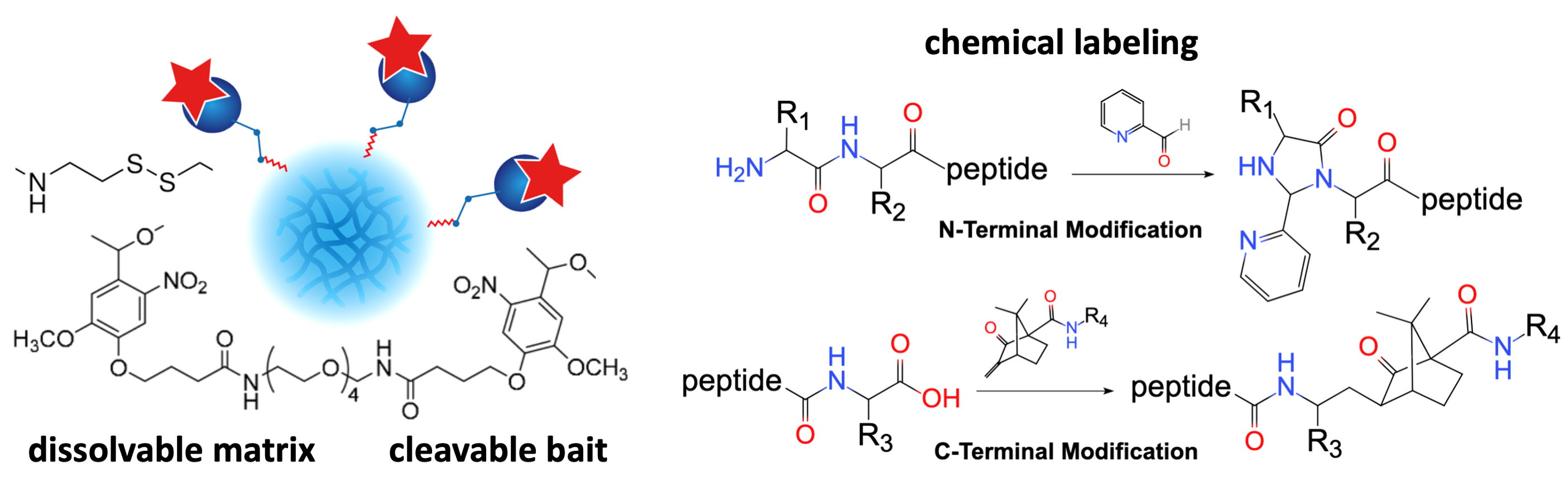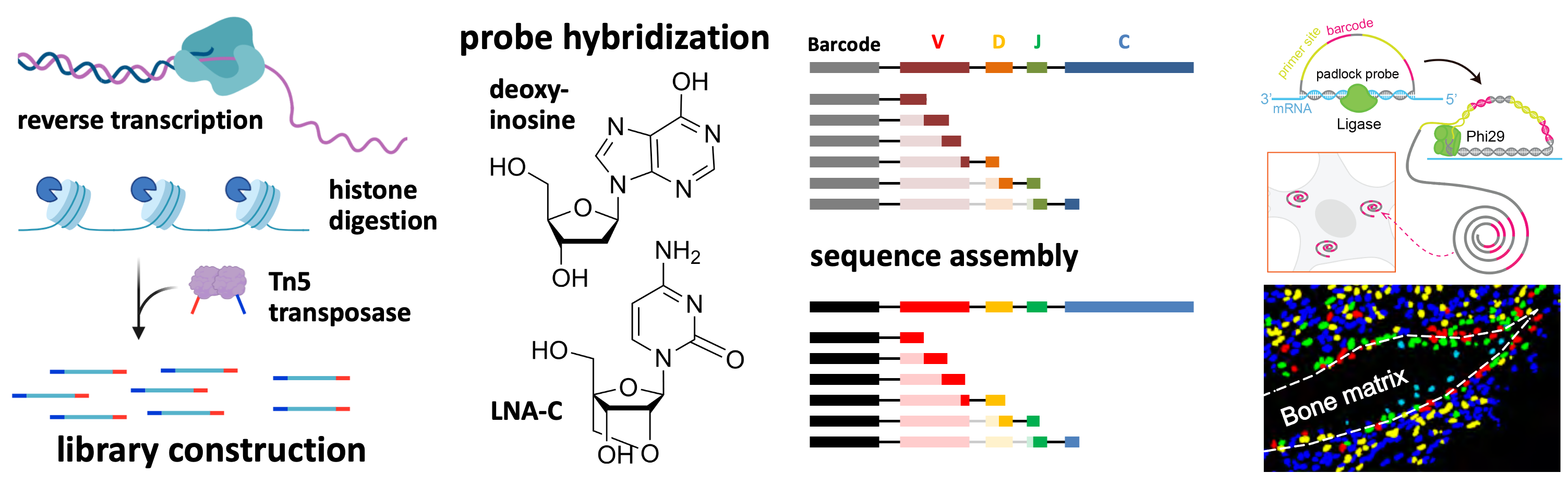
The ultimate goal of biomedical research is to understand human physiopathology so that we can better diagnose, treat, and prevent diseases. While current approaches excel at characterizing clinical manifestations and dissecting molecular events, neither can easily bridge the gaps between the macroscopic and the microscopic scales, particularly at the tissue and cellular levels.
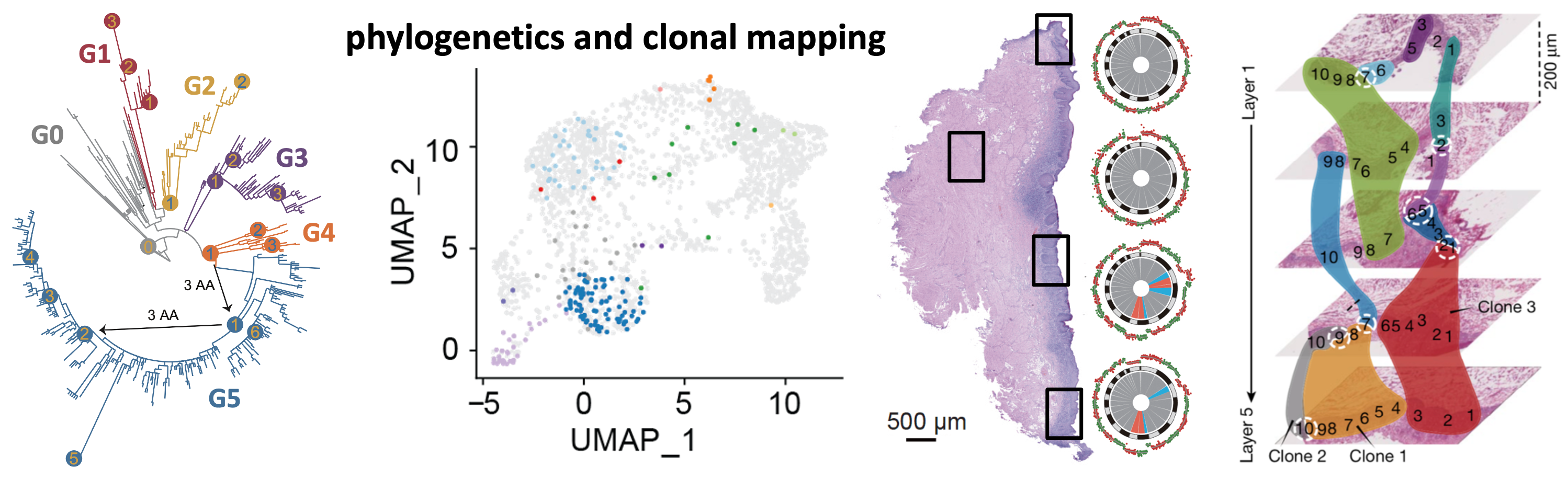
Life activities are, in essence, a higher-order manifestation of material changes. Anatomy reveals the physical boundaries and morphological foundations upon which life processes depend; biophysics and biochemistry, in turn, inquire into how molecular motion, recognition, and transformation underpin the dynamic rhythms of life. Any thorough understanding of the essence of life must return to a concrete characterization at the material level. However, current accounts of regulatory mechanisms at the tissue and cellular levels largely remain qualitative descriptions of phenotypes and signaling pathways, lacking commensurate fine-grained material analysis. This deep disconnect between "phenomenological description" and "material basis" constitutes the core bottleneck that hampers the life sciences from achieving truly predictable and intervenable goals.
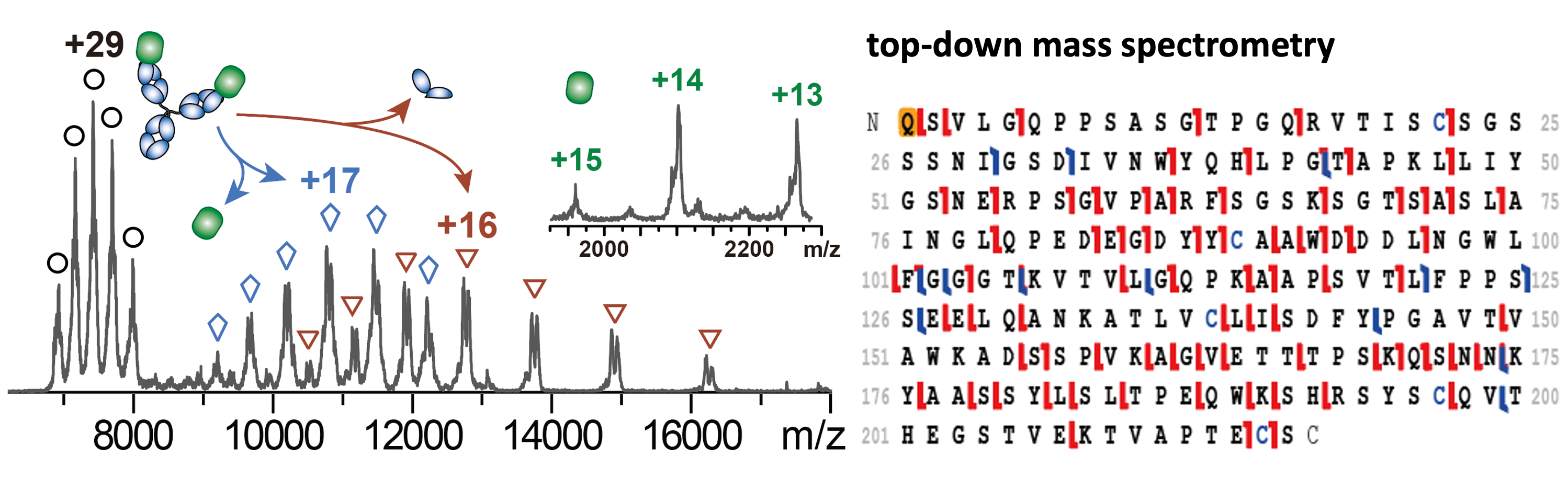
Bridging this gap cannot be accomplished by conventional qualitative inference alone. Our research group, by leveraging precise chemical measurements, captures the trends of material movement, lineage development, and cascade reactions that drive life processes across spatial, temporal, and functional dimensions, thereby establishing a solid physical foundation for abstract theories.